
If you want extra money online but you still have a full-time job, this post is for you.
You’ll get side hustle ideas you can start fast, plus a few that take longer but grow stronger over time. To keep this simple, you’ll pick your path based on how many hours you have each week, what you can spend upfront, and how comfortable you are selling.
Start with the fast section for momentum, then move to the long-term section when you want steadier money coming in.

This post includes affiliate links to products I love and recommend, meaning I may receive a small commission at no extra cost to you. Please read full disclosure for more information.
Fast side hustle ideas online to reach your first $500
Pick one path you can start fast, then post content that leads people to the next step. This section is for busy people who want momentum, whether that’s a quick product, a simple service, or content that earns while you sleep.
A one-problem checklist
A checklist works because it feels simple, and it fixes one clear problem. People buy it when your content makes them think, “Yup, that’s me.”
- Time to create: 2-4 hours
- Tools you need: a doc tool, a simple design tool, and a place to sell and deliver files (I use PayHip online store)
- Content-led first customer path: teach the first step for free, then offer the checklist as the full plan
- First-week action steps:
- Pick one problem that has a clear finish line.
- Write the checklist in one sitting, then clean it up.
- Publish one helpful post that points to the checklist.
- Common mistake to avoid: packing in too much and turning it into a messy ebook
A mini template pack
Templates sell because they save time right away. The best ones are boring in a good way, because they actually get used.
- Time to create: 4-8 hours
- Tools you need: Canva, a short instruction page, a place to sell and deliver files
- Content-led first customer path: show the before and after result, then offer the templates to repeat it
- First-week action steps:
- Choose one task people repeat all the time.
- Build 5-15 templates for that one task.
- Publish content that shows one template in action.
- Common mistake to avoid: making templates pretty, but not practical
Want to get more ideas? Then check out these 50 Outstanding Digital Product Ideas You Can Sell On Social Media.
A short prompt pack for one outcome
A prompt pack sells when the outcome is crystal clear. If your prompts feel random, people won’t buy them.
- Time to create: 3-6 hours
- Tools you need: a doc tool, a clean layout, a place to sell and deliver files (PayHip, Gumroad, Shopify, Etsy…)
- Content-led first customer path: show the outcome in your content, then offer the prompts as a repeatable shortcut
- First-week action steps:
- Pick one outcome and stick to it.
- Write 15-30 prompts that all lead there.
- Publish content that shows the result, then point to your prompt pack.
- Common mistake to avoid: writing prompts that are too vague to work
A swipe file of plug-and-play wording
Swipe files sell because people want words that feel done. They buy when your content shows how much time good wording saves them.
- Time to create: 5-10 hours
- Tools you need: a doc tool, a simple formatting setup, and a place to sell and deliver files
- Content-led first customer path: teach one writing fix, then offer the swipe file for more options
- First-week action steps:
- Pick one category or topic (something your audience really struggles with)
- Write 30-80 options that don’t sound copy-pasted.
- Publish content that shows how to edit the swipe file.
- Common mistake to avoid: writing swipe files that all sound the same or even robotic (if you use AI)
A simple tracker sheet
Trackers sell because they make progress feel less chaotic. People buy when your content speaks to their “I need a system” moment.
- Time to create: 2-5 hours
- Tools you need: a spreadsheet tool, a simple design tool, and a place to sell and deliver files
- Content-led first customer path: explain what to track and why, then offer the tracker as the easy setup
- First-week action steps:
- Choose one thing to track, and keep it tight.
- Build the tracker so it takes 5 minutes a day.
- Publish content that shows the payoff of tracking.
- Common mistake to avoid: adding too many tabs and making it confusing
A printable pack for one life problem
Printables work when they make daily life easier. People buy when your content shows a quick win they want to achieve.
- Time to create: 4-10 hours
- Tools you need: a design tool like Canva, a PDF export option, a place to sell and deliver files
- Content-led first customer path: share a small example page, then offer the full pack
- First-week action steps:
- Pick one use case, like planning, budgeting, or routines.
- Create 10-25 pages that match that one use case.
- Publish content that shows how one page gets used.
- Common mistake to avoid: making pages cute but hard to use
You’ll also love my other blog post: 50 Easy Canva Digital Product Ideas That Sell Like Crazy
A tiny workshop replay
A small workshop sells because it feels personal and clear. People buy when your content makes them feel, “I need that walkthrough now.”
- Time to create: 3-7 hours to plan and record
- Tools you need: a simple recording tool, a slide tool, a place to host and deliver the replay
- Content-led first customer path: share the main lesson in public, then sell the replay for the full breakdown
- First-week action steps:
- Choose one skill you can teach in 30-45 minutes.
- Record it once and keep it simple.
- Publish content that teaches one takeaway and points to the replay.
- Common mistake to avoid: trying to teach ten things in one workshop
A beginner-friendly editing service for short content
This works because people want better writing, but they don’t have the time to learn copywriting. Your content becomes the proof that you can make messy words sound clear.
- Time to deliver: 24-72 hours per client
- Tools you need: a doc tool, a simple intake form, a payment and delivery setup
- Content-led first customer path: post editing lessons and before-and-after examples, then offer a clear package
- First-week action steps:
- Pick one service lane, like captions or product pages.
- Set a clear limit, so the job stays small.
- Publish content that shows your editing rules and results.
- Common mistake to avoid: saying yes to “anything writing” and burning out
Affiliate marketing with a simple content hub
Affiliate income starts when your content answers a real question and leads to a clear next step. You don’t need to pitch people, you need to guide them.
- Time to create: 1-3 days to set up the basics
- Tools you need: a website or simple page builder, a way to track links, social media, or Pinterest (where you’ll promote)
- Content-led first customer path: publish helpful content, then link to the tools or products you already use and trust
- First-week action steps:
- Pick one topic you can stick with for a month.
- Write one “best of” page and one how-to post that supports it.
- Add clear links where they make sense, and keep it honest.
- Common mistake to avoid: linking to everything, even the bad product. You’ll only lose your audience’s trust.
You’ll also love to read The Ultimate Guide To Affiliate Marketing for Beginners.
If you want your first $500, choose one idea from this list and stick with it. When you chase 3 ideas at once, you’ll confuse your audience, and you won’t make any money.
Long-term side hustle ideas that still get you to $500 online
Choose one of these ideas when you want steady results that don’t fall apart the moment you get busy. It starts slower, but it gets easier to keep going once your content builds up.
Here are long-term ideas that keep working when you stick with one topic and one clear offer.
A full course with one clear result
This works when your course solves one problem from start to finish, and your content keeps pointing to that same promise.
- Time to create: 2–6 weeks
- Tools you need: a recording tool, slides, and a place to host lessons and deliver files
- Content that attracts buyers: step-by-step teaching content that solves one specific problem
- Milestones:
- First $100: a few early sales from your most helpful teaching content
- First $500: more lessons that lead to the same clear course result
A membership that gives one weekly win
People stay when they see progress every week, not endless overwhelm.
- Time to create: 2–4 weeks
- Tools you need: a simple content hub and payment system
- Content that attracts buyers: “do this next” content that makes small wins feel doable
- Milestones:
- First $100: a few early signups who like your structure
- First $500: consistent members who join because your content feels calm and organized

A paid resource library that you update monthly
This builds trust because people see you adding value instead of restarting from scratch.
- Time to create: 1–2 weeks to start, then small monthly updates
- Tools you need: a folder system or membership hub
- Content that attracts buyers: content that says, “Want more examples like this?”
- Milestones:
- First $100: early buyers after you share one free resource
- First $500: steady sales as your library grows
A paid newsletter with a premium archive
This is perfect if you love writing and sharing insights weekly.
- Time to create: 1 week setup
- Tools you need: an email platform with paid subscriptions
- Content that attracts buyers: strong opinion or breakdown content that gives real value fast
- Milestones:
- First $100: a few loyal readers subscribe for more depth
- First $500: a bigger base as your archive grows and your name becomes trusted
A digital product starter kit
This sells when your audience wants to begin something but needs structure.
- Time to create: 1–3 weeks
- Tools you need: a doc tool, a design tool, and a place to sell
- Content that attracts buyers: “how to start” content that leads straight to your kit
- Milestones:
- First $100: a few low-priced sales from your best beginner post
- First $500: ongoing sales as you publish more content on the same topic
A paid community with monthly themes
Communities work when they solve loneliness and lack of focus.
- Time to create: 2–3 weeks
- Tools you need: a community platform, a payment setup
- Content that attracts buyers: honest posts about common struggles and how community fixes them
- Milestones:
- First $100: early members who crave accountability
- First $500: growth from word of mouth and clear topic consistency
A “done-for-you” repurposing service
You handle what people avoid—turning their old content into something new.
- Time to create: 1–2 days setup, 1–3 days delivery per client
- Tools you need: a doc tool, an intake form, and a delivery folder
- Content that attracts buyers: content that shows before-and-after examples of repurposed work
- Milestones:
- First $100: one mini job for a new client
- First $500: repeat work once clients see results
A simple sales page rewrite service
This is great if you love copywriting and clarity.
- Time to create: 1 day setup, 1–3 days delivery per client
- Tools you need: a doc tool and payment setup
- Content that attracts buyers: content that explains what makes copy convert and why clarity matters
- Milestones:
- First $100: one rewrite project
- First $500: steady work as your examples prove results
A short video editing service with a tight limit
This grows fast because creators want clean, consistent clips.
- Time to create: 2–3 days
- Tools you need: a basic video editing tool, a delivery folder
- Content that attracts buyers: teaching content that shows how small edits boost engagement
- Milestones:
- First $100: one edit job for a new client
- First $500: repeat work from happy clients
A niche content site that earns from multiple income streams
This builds the slowest but compounds over time through traffic and trust.
- Time to create: 4–8 weeks of steady content building
- Tools you need: a blog or site, a keyword plan, and basic design setup
- Content that attracts buyers: detailed posts that answer questions and lead to related offers
- Milestones:
- First $100: early affiliate or ad income from your top-performing posts
- First $500: steady income as your content library expands
If you’re aiming higher, then you’ll probably be interested in read my article about 7 Most Profitable Digital Product Ideas To Make Your First $1,000.
Side hustle ideas for beginners that grow after the first sale
This section is for complete beginners who want something simple now, but scalable later.
A digital wallpaper pack for phones
These are fast to make, and people love collecting them.
- Time to create: 3-6 hours
- Tools you need: Canva or a design tool, a place to sell and deliver files
- Content that attracts buyers: “look at this setup” posts that make people want the same look
- Milestones:
- First $100: a few early low-priced sales
- First $500: steady sales as your designs gain visibility
A sticker or icon pack
This sells because creators and planners always want fresh visuals.
- Time to create: 5-8 hours
- Tools you need: a design tool, export options, and a storefront
- Content that attracts buyers: content that shows how icons make designs faster and cleaner
- Milestones:
- First $100: early buyers who love your niche theme
- First $500: more sets that match the same aesthetic
A pack of short video clips people can reuse
These clips make it easier for others to create content faster.
- Time to create: 1-2 days
- Tools you need: a camera or stock library, editing tool, and delivery platform
- Content that attracts buyers: “plug this in” content that shows how the clips save time
- Milestones:
- First $100: a few clip pack sales
- First $500: steady income once you release a few themed bundles
A simple audio or background sound pack
This sells when your sound fits people’s daily mood or work vibe.
- Time to create: 1-3 days
- Tools you need: basic recording setup or royalty-free library, and export tools
- Content that attracts buyers: content that helps people imagine using your sounds in their day
- Milestones:
- First $100: early buyers who like your vibe
- First $500: consistent sales once your packs get shared
A one-task virtual assistant offer
This works when you solve one specific headache people hate doing.
- Time to set up: 1 day, time to deliver: 1-2 hours per client
- Tools you need: task tracking, email, and delivery setup
- Content that attracts buyers: content that shows how skipping that one task saves time
- Milestones:
- First $100: one or two small jobs
- First $500: repeat work once clients trust your reliability
A customer support helper service
This builds fast when you’re detail-oriented and friendly.
- Time to set up: 1 day, time to deliver: depends on client volume
- Tools you need: shared inbox tool, doc templates, and a delivery tracker
- Content that attracts buyers: content that talks about lost messages and missed sales
- Milestones:
- First $100: one small client job
- First $500: monthly retainer once you prove reliability
A simple design resizing service
This sells because resizing graphics is boring work that many creators will happily pay for.
- Time to set up: 1 day, time to deliver: 1-2 days per project
- Tools you need: a design tool, client brief, and delivery setup
- Content that attracts buyers: “before and after” content showing time saved
- Milestones:
- First $100: first small resizing job
- First $500: repeat work once you keep delivery fast and accurate
A basic website cleanup service
This wins when your content shows what a messy site costs in lost trust.
- Time to create: 2-3 days
- Tools you need: a site scanner, design tool, and checklist
- Content that attracts buyers: “common mistakes” content that makes people realize they need a fix
- Milestones:
- First $100: one cleanup job
- First $500: consistent work from small business owners who want cleaner sites
Price one offer and aim it at $500
Pick one offer and one buyer, then stick with it long enough to get traction. That’s what turns good side hustle ideas into real money instead of another abandoned project.
Start with this quick decision filter, and choose one answer in each line:
- I will sell a digital product, or I will sell a simple service.
- I will sell to beginners who want simple, or I will sell to busy adults who want speed.
- I will solve one problem today, and I will ignore everything else for now.
- I will create content that teaches, and I will stop trying to persuade strangers in private messages.
Now set your price using simple math, so $500 feels clear and not scary:
- If your offer is $10, you need 50 sales.
- If your offer is $25, you need 20 sales.
- If your offer is $50, you need 10 sales.
- If your offer is $100, you need 5 sales.
- If your offer is $250, you need 2 sales.
Use this first offer checklist, so buyers know exactly what they get:
- I can explain who it’s for in one sentence.
- I can explain the result in one sentence.
- I can list what’s included in three bullets.
- I can explain delivery in one sentence, including how fast they get it.
- I can name one clear limit, so the offer stays simple.
- I can show one tiny proof point, like a quick example, a before and after, or a short result story.
Then use a content-led plan that pulls buyers in without awkward outreach:
- I will write 3 to 5 posts that answer the same type of question my buyer is already asking.
- I will build one simple page that explains the offer, and I will link to it from my helpful posts.
- I will share one small proof piece each week, like a quick walkthrough, a mini example, or a clear result I got.
- I will repeat the same promise across my content, so people remember what I sell.
The 7-day plan to your first sale
If you’ve ever opened your laptop after work, sighed, and thought, “I can’t deal with a big project tonight,” this plan was made for you. It’s small, it’s clear, and it moves you forward even on tired days.
- Day 1: Decide on the offer
- Choose one of these ideas and go with it
- Write one sentence that says who it’s for and what result they get.
- Choose one clear limit so you don’t turn this into a never-ending project.
- Day 2: Build delivery that feels easy
- Create the product fast. Don’t overthink it too much. You can use AI to help you.
- Write a short “what you get” page or doc that explains what’s included and how fast they get it.
- Day 3: Make one proof piece
- Create one sample, one demo, or one before and after that shows the result.
- List three buyer questions, then write simple answers you can reuse.
- Day 4: Publish the first post
- Teach the first step and make it easy to follow.
- Point to your offer as the next step for people who want the full thing.
- Day 5: Publish the second post
- Answer one worry people have, like time, price, or “will this work for me.”
- Show your proof piece again so it feels real, not just talked about.
- Day 6: Publish the third post
- Call out one common mistake and show the fix.
- Point to your offer for the person who wants the shortcut and the clarity.
- Day 7: Make the invite
- Say who it’s for, what they get, and what to do next.
- Post it once, then let it breathe so people can decide without pressure.
Mistakes that slow you down:
- Adding new tools instead of finishing the offer you picked
- Pricing so low you feel annoyed, then avoiding talking about it
- Changing the offer after every post because you “feel” like it is not working
- Posting content that does not connect to what you sell
Safety checklist that protects your time:
- Keep your delivery rules written down before you take money
- Set a clear scope, so people cannot sneak in extra work
- Skip weird payment requests and messy custom deals from strangers
- Walk away from anyone who rushes you or tries to bargain hard
How to start a side hustle from home
Start with ONE offer you can deliver without turning your evenings into a second job. If it needs 10 steps and constant back-and-forth, it’s too big for week one.
Pick one small problem, fix it in a simple way, then post content that points to the offer. When your offer is clear, selling becomes easier.
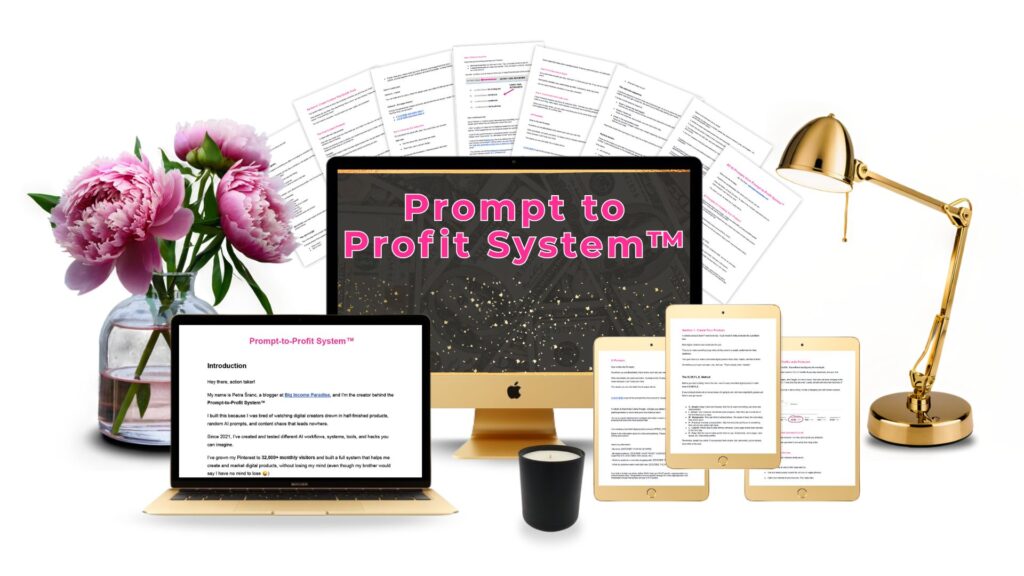
If you want a clear plan for this, my Prompt-to-Profit System is built to get it done in 7 days.
In the first 1-3 days, you finish one simple product that’s ready to sell.
Then you use the next few days to set up your traffic plan, write your weekly content, and put together your first email flow.
It keeps you on one track, so you stop bouncing between ideas and fixing the same thing for weeks. If you want that full 7 day workflow, grab it here.
Is digital marketing a good side hustle
It’s a good choice if you like writing, testing ideas, and showing up consistently. It feels awful if you expect fast money without learning anything.
If you choose it, keep it simple – one skill and one buyer type. If you’ll try to do everything, you’ll end up feeling stuck and stressed out.
You’ll also love to read my other blog post: 17 Easy Ways To Make Money With Digital Marketing
Conclusion:
Pick one idea and stick with it. Don’t add extra work on your plate, just post helpful content so people trust you.
That’s how side hustle ideas turn into your first $500. Start today with Day 1, and then take imperfect action daily.

 Petra Šranc (CEO of Big Income Paradise) is passionate about teaching female entrepreneurs how to do Social Media Marketing to grow their business online. She also focuses on teaching Social Media content tactics to skyrocket traffic, leads, and sales.
