
I thought I just needed a good idea. So I built my first digital product with zero plan.
It was a course, and I mimicked other people’s outlines (not the actual content). It turned out fine, and nobody complained about it, but I only made a few sales.
And it also took me almost 2 months to finish it, because I was mostly guessing how to put it together.
If you’re staring at a half-built digital product right now with no clue if anyone even wants it, this post is for you.
I’m walking you through all the steps on how to start selling digital products, so you stop wasting months on feeling lost and making zero sales.
Join other action takers and get the plan to see how these phases work together, so your hard work finally pays off.
This post contains affiliate links (including Amazon Associate links). If you make a purchase through these links, I may earn a small commission at no extra cost to you. As an Amazon Associate, I earn from qualifying purchases. Please read full disclosure for more information. I also use AI to help me write, but I tell it exactly what to say based on my results and experiences.
Why doesn’t my digital product sell even though it’s actually good?
Most digital products fail because nobody ever sees them. So you see, it’s not only about how your product looks or what it’s about. It’s also about getting people to your sales page.
I’ve watched this happen over and over. A perfectly good product just sits there because the creator didn’t build a system to get eyes on it. I like to say this:
A digital product without a sales system is like having a rich sugar daddy who never pays you 😂
I learned this the hard way.
What should I do before I even create a digital product?
Know exactly who your product is for and what specific problem keeps them up at night. Design comes last, not first. I know you’re itching to open Canva, but trust me on this one.
I had multiple failed launches early on, and every single one traced back to skipping research. I’d get an idea, start building right away, and never check if anyone actually wanted it.
After enough failures, I finally got it through my head that I had to research what my audience was Googling before I started creating anything.
You also have to be careful not to find problems your audience is okay living with for a while. If that’s the case, they won’t get your offer.
This is exactly why I built The Research Kit To Stop Creating Digital Products Nobody Buys. It helps you find burning pain points your audience already has and is willing to pay to get them solved.
How do I know if my digital product idea is already too crowded?
An unclear promise kills a product way faster than competition does. If other people are already selling something similar to your idea, that’s actually a good sign. It means people are already spending money on it.
Your digital product could be a masterpiece and still make zero sales if nobody understands what it does for them. Your job isn’t inventing something nobody has ever seen. Your job is making the promise and the outcome clearer than everyone else’s.
How do I actually create a digital product without spending months on it?
Use AI and guide it to build the content fast. Then edit it so you add your personality and fix all the weird sentences. That’s the difference between the 2 months my first course took and what’s possible now.
I was hesitant about this for a long time. I started using AI back in 2021, but only for content like blog posts and social media. I didn’t think people would buy a digital product if AI helped create it.
Eventually I decided to try it anyway, because I remembered I’m always in control. I can make the product and never sell it if it’s not good, or I can fix it up until it is.
So that’s what I did. I used AI to draft content for courses, digital planners, and ebooks fast, then went through and fixed anything that wasn’t accurate or sounded weird.
Now that I know how to guide AI instead of typing one lazy prompt, my products come out high quality. And this saves me a shocking amount of time doing it.
Look, AI won’t replace you in this case, but it will replace your excuses for taking months on something you could finish in a week.
If you already know your product idea and just need to get it built fast, The 3-Day Digital Product Builder For Creators gets you from idea to a finished and sellable product.
Where should I sell my digital products?
You can sell on your own store, somewhere you fully control, like Payhip.
Marketplaces like Etsy can bring some traffic, but the problem is that you could lose your store on there fast. Lately I’ve heard many people got their Etsy shops deleted.
But that’s your decision. You can have both and still link out to your Etsy and Payhip store.
However, focus mostly on one so you’ll actually get traffic to it.
What’s the best way to get traffic to my digital products?
My favorite platform for that is Pinterest. Even though it has some glitches and it takes some time for results to show up. But when that beast starts working, you’ll get a lot of traffic.
In 2025, I got over 252k blog visitors from that amazing platform.
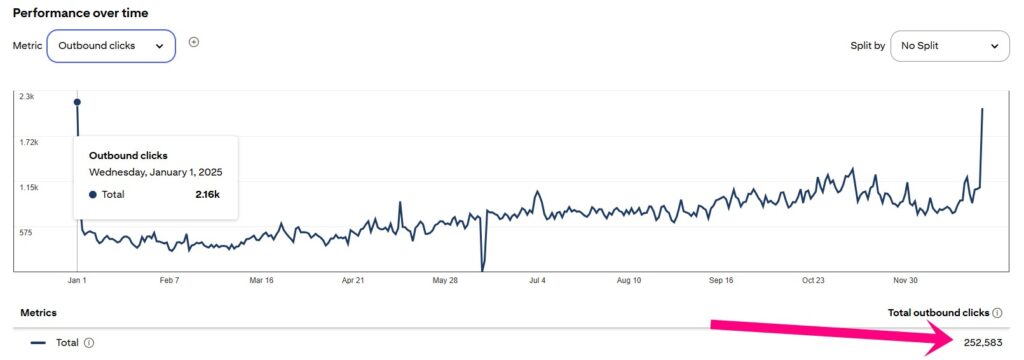
That platform is different than other social media sites. You see, pins don’t disappear after 24 hours like a social media post does. A single pin can bring you visitors for months, sometimes even years.
I started considering using Pinterest for business after watching other people get incredible results from it while I wasted hours on Facebook every single day.
Showing up constantly, keeping people engaged, dealing with nonstop content pressure. That drained me completely. I also knew I needed my traffic coming from more than one place.
So I tried Pinterest without a hardcore strategy. I made pins for my blog posts, used keywords that I found on the platform, and stayed consistent.
If you want a repeatable system for pins that actually get seen and clicked, The Creator’s Pinterest Prompt Pack For More Traffic gives you the exact prompts for generating scroll-stopping pin titles, descriptions, BIO, or anything else.
Do I need an email list to sell digital products?
The short answer is YES. Your email list is the only audience you actually “own.” Every social platform, even Pinterest, can change its algorithm or shut your account down tomorrow. But nobody can take your email list from you.
People rarely buy the first second they see your offer. They need a few touches and a little trust before they pull out their credit card.
And with email marketing, you can stay in touch and nurture that relationship. Warm people up, and next time you launch something new, you’re more likely to have customers.
A lot of creators skip email completely, or send the same generic newsletter nobody opens. If your emails aren’t converting, The Email Prompt Kit To Stop Losing Money gives you prompts that turn your list into actual sales.
How long does it actually take to start making sales from digital products?
It comes down to your system. Creators who validate their idea, build fast with the right tools, and drive consistent traffic through Pinterest and email tend to see results in a few months or even weeks.
But creators who skip those steps can waste years creating products nobody sees or wants.
I spent way too long throwing ideas at the wall, hoping something would stick, before I understood systems matter more than hustle.
If you want passive income, you have to get active at building the systems first. And even then, it won’t be 100% passive. There’s no way around that part.
Final thoughts
Selling digital products comes down to knowing who you’re serving, building the thing fast with a clear promise, and putting a real system behind it so people actually see it.
Skip the research, and you’ll spend months building something nobody wants. Skip the traffic system, and your product sits there collecting dust no matter how good it is. Skip the email list, and you’re starting from zero with every single launch.
You don’t need 11 unfinished products sitting in your drafts. You need one finished thing, backed by a system that gets it seen and sold.
Join other action takers and get the plan to see how these phases work together, so your hard work finally pays off.

 Petra is a full-time blogger and CEO of Big Income Paradise. She teaches digital creators how to get more Pinterest traffic, generate leads, create better content & digital products, and make money online with the help of AI.
